
Retire in Bangkok, Thailand: A Guide for British Families
Why Thailand’s capital is the first choice for elderly people with complex medical needs — and what to weigh up honestly before deciding.
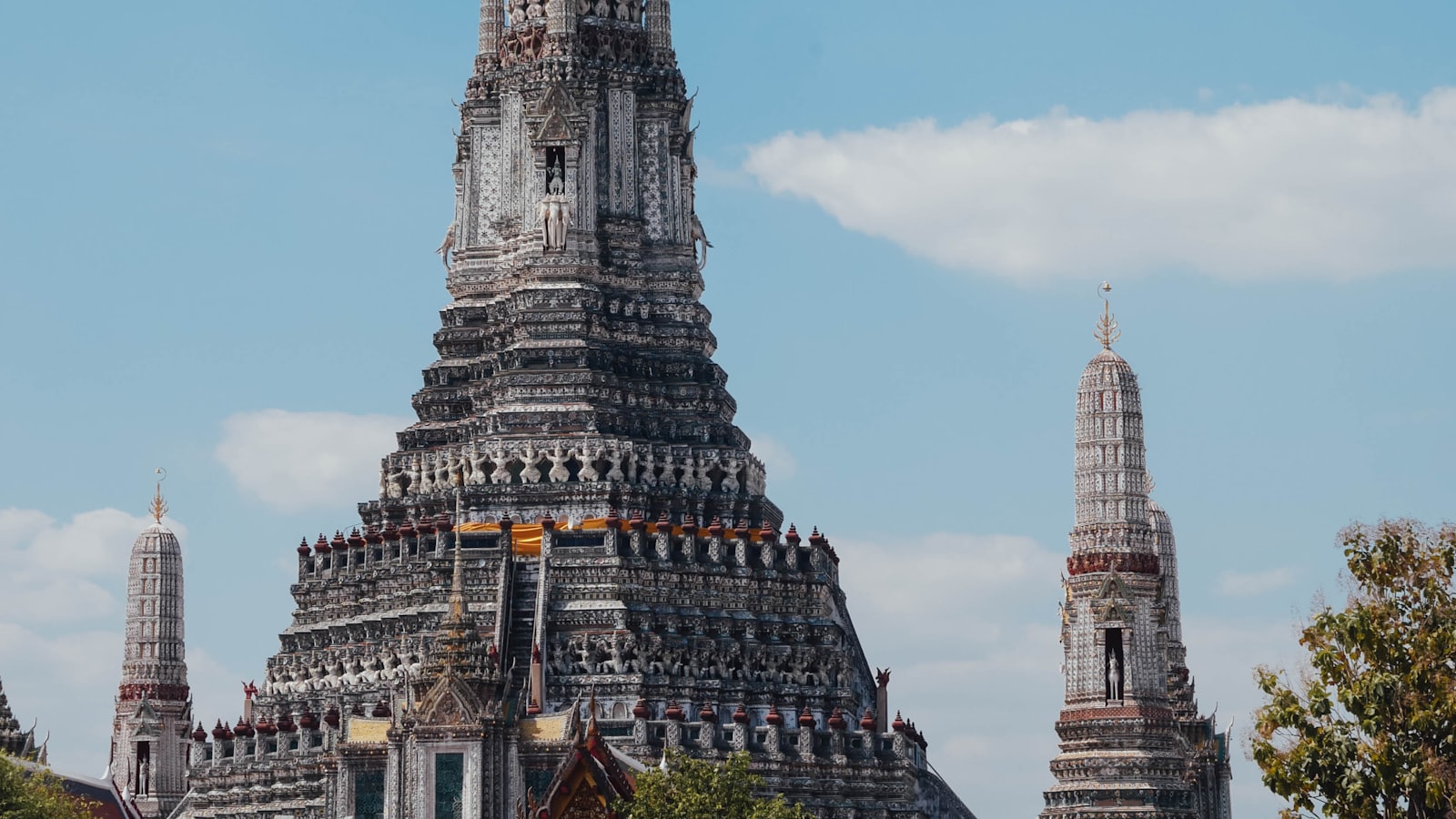
Most British families weighing up care in Thailand start with one question: how quickly could we reach a first-class hospital if something went wrong? If that question sits at the top of your list, Bangkok is usually the answer. Thailand’s capital offers some of the best hospital access in Southeast Asia, anchored by world-renowned names like Bumrungrad International, BNH Hospital and Samitivej — and it is the only Thai destination with direct flights from London multiple times daily.
Bangkok is not the picture-postcard retirement setting. Chiang Mai has the mountains and the largest cluster of care facilities aimed at Westerners; Hua Hin and Pattaya have the sea. What Bangkok offers instead is immediacy: specialist consultants, advanced diagnostics and intensive care are minutes away rather than a flight or a long drive. For elderly people with complex or unstable medical conditions, that proximity can outweigh everything else.
It is also, honestly, the most expensive option in Thailand and by far the most intense. This guide sets out who Bangkok genuinely suits — and who would likely be happier elsewhere — covering the hospitals, care options, typical monthly costs, lifestyle, and the practicalities of getting there and back from the UK.
Why Bangkok
World-Renowned Hospitals
Bumrungrad International, BNH Hospital and Samitivej are among the best-known private hospitals in Asia, with English-speaking specialists and short waits for consultations and diagnostics.
Built for Complex Medical Needs
For elderly people who need regular specialist input — cardiology, neurology, oncology — Bangkok offers the most extensive specialist access in Thailand, often minutes from home.
Direct London Flights, Daily
Bangkok is the one Thai city with direct London flights multiple times daily — around 11.5 hours with carriers such as Thai Airways and EVA Air, and no domestic connection to add.
A Truly International City
English is widely spoken in hospitals, banks and services, and the international community is Thailand’s largest. Familiar shops, restaurants and comforts are never far away.
Get Around Without Driving
The BTS Skytrain and MRT underground put much of the city within reach without a car, and taxis and ride-hailing apps are inexpensive and everywhere — handy for visiting relatives too.
Still Well Below UK Costs
Care in Bangkok typically runs £1,800–£3,500 a month — the most expensive option in Thailand, yet still around 40–60% below comparable UK care costs.
Healthcare & Hospitals
No other city in the region concentrates as much medical capability as Bangkok. Its leading private hospitals treat international patients as a matter of course, several hold international accreditations such as JCI, and English is the working language of the international departments. The names British families most often encounter are:
In practical terms, this means second opinions can usually be arranged within days, scans and diagnostics rarely involve long waits, and medical reports can be provided in English for a UK GP or consultant. For families managing conditions that flare unpredictably — heart disease, respiratory illness, cancer under active treatment — that responsiveness is Bangkok’s single biggest advantage over every other location in Thailand.
Care Options & Typical Monthly Costs
In Bangkok, care is most commonly arranged at home. Families typically settle a parent into a condominium or serviced apartment close to their chosen hospital, supported by a vetted live-in carer or daily visiting care, with nursing input scaled up or down as needs change. The purpose-built care resorts we most often recommend — such as Care Resort Chiang Mai, Baan Lalisa and Homerly Senior Living — are based in Chiang Mai and Pattaya rather than the capital, so Bangkok suits families who prefer a home-based arrangement built around hospital proximity.
Budget-wise, expect care in Bangkok to cost around £1,800–£3,500 per month depending on the level of nursing support and the neighbourhood. That makes it typically the most expensive option in Thailand — yet still around 40–60% below comparable UK care costs, where a nursing home place alone can exceed this before any private medical care is added.
For a full breakdown of what different levels of care cost across Thailand and how they compare with the UK, see our detailed cost comparison .
Lifestyle, Climate & Getting There From the UK
Bangkok is hot all year round — typically 28–36°C — with a hot season from around March to May, a rainy season from roughly June to October, and a slightly cooler, drier stretch from November to February. Day-to-day life adapts accordingly: homes, hospitals, shopping centres and transport are air-conditioned, and green spaces such as Lumpini Park come alive in the cooler early mornings.
For retirees who favour city living, the lifestyle is hard to fault: world-class food at every price point, international supermarkets, cinemas showing films in English, and a cultural calendar that never stops. The BTS Skytrain and MRT make much of the city accessible without driving, which matters for both residents and visiting family.
Getting there is the simplest journey in Thailand. Direct flights from London take around 11.5 hours and depart multiple times daily with carriers such as Thai Airways and EVA Air, arriving at Suvarnabhumi Airport. There is no onward leg to plan — unlike Chiang Mai or Chiang Rai, which need a further domestic flight of about an hour and a quarter, or Hua Hin, which is a 2.5–3 hour drive from Bangkok.
Things to Consider
We would rather you choose the right location than simply choose us. Bangkok is genuinely the wrong fit for some people, and these are the honest reasons why.
The heat never lets up
At 28–36°C with high humidity year-round, Bangkok has no cool season to speak of. Most daily life happens in air-conditioning, but the heat can be taxing for elderly people with heart or respiratory conditions — something to discuss with a GP before committing.
Traffic, noise and urban intensity
Bangkok’s congestion is famous for a reason, pavements can be uneven, and the city rarely feels restful. If peace, greenery and gentle surroundings matter most, we would honestly point you to Chiang Mai or Hua Hin instead.
It is the most expensive option in Thailand
At typically £1,800–£3,500 a month, Bangkok care costs noticeably more than Chiang Mai, where comparable arrangements start from around £1,000 a month. The premium buys hospital proximity — worth paying for complex medical needs, harder to justify otherwise.
Fewer purpose-built care facilities for Westerners
The care resorts and dementia-specialist facilities that draw British families to Thailand are concentrated in Chiang Mai and on the coast, not in the capital. In Bangkok, care usually means a home-based arrangement — excellent for many, but not the resort setting some families picture.
Air quality dips in the cooler months
Bangkok sees spells of elevated air pollution, typically between December and February. These episodes are generally milder than the north’s burning season, but anyone with a significant respiratory condition should factor them in and take medical advice.
Frequently Asked Questions
Are Bangkok’s hospitals really comparable to UK hospitals?
Bangkok’s leading private hospitals — Bumrungrad International, BNH and Samitivej — are widely regarded as among the best in Asia, and several hold international accreditations such as JCI. Many consultants are Western-trained, English is spoken throughout, and waiting times for consultations, scans and elective procedures are typically days rather than months. Standards at this tier compare well with UK private healthcare. The main difference is funding: treatment is paid for privately or through insurance, so it is important to budget for medical costs and keep appropriate cover in place.
How much does care in Bangkok cost?
Expect care in Bangkok to cost around £1,800–£3,500 per month, depending on the level of support — from daily visiting care through to full live-in nursing care. That makes it typically the most expensive option in Thailand (Chiang Mai, by comparison, starts from around £1,000 a month), but still roughly 40–60% below comparable UK costs. Rent, food and day-to-day living expenses come on top and vary widely by neighbourhood. We prepare a personalised cost estimate for every family before anything is committed to.
How easy is it to visit from the UK?
Bangkok is the easiest place in Thailand to reach from the UK. Direct flights leave London multiple times daily — around 11.5 hours with carriers such as Thai Airways and EVA Air — landing at Suvarnabhumi Airport, which is well connected to the city by rail and taxi. There is no domestic connection to add, unlike Chiang Mai or Chiang Rai, which require a short internal flight. Many families find they can leave London in the evening and be at their relative’s side by the following afternoon.
What visa would my parent need to retire in Bangkok?
Most British retirees aged over 50 use one of Thailand’s long-stay retirement visa routes, such as the Non-Immigrant O-A visa, which requires evidence of funds or pension income together with health insurance. Requirements do change, so always confirm the current rules with the Royal Thai Embassy before applying. The process is well trodden among British retirees and, handled methodically, is very manageable — we guide families through the practical steps as part of our service, alongside the care arrangements themselves.
Ready to Explore Your Options?
Book a free, no-obligation consultation with our team today.
Get in Touch